The Ultimate Guide to Using London Travel Cards: Tips and Tricks for First-Time Visitors
London is one of the most visited cities in the world, with its historical landmarks, vibrant culture, and endless things to do. I can’t stress enough how important it is to have a solid understanding of London’s transportation system, especially when you’re a first-time tourist. The good news is that the city offers a variety of ways to travel around efficiently, and one of the best ways to save both time and money is by using London’s travel cards.
Over the years, I’ve learned the ins and outs of the London transport system and how to navigate it with ease. In this article, I’ll share my personal experiences and provide some expert tips on how to get the most out of London’s travel cards. Whether you’re planning to visit the iconic Tower Bridge, enjoy a show in the West End, or wander around Covent Garden, knowing how to use London’s travel cards will make your visit much smoother and more affordable.
Types of London Travel Cards
Before diving into the tips and tricks, let me first explain the different types of travel cards available for tourists in London. The main options include:
- Oyster Card
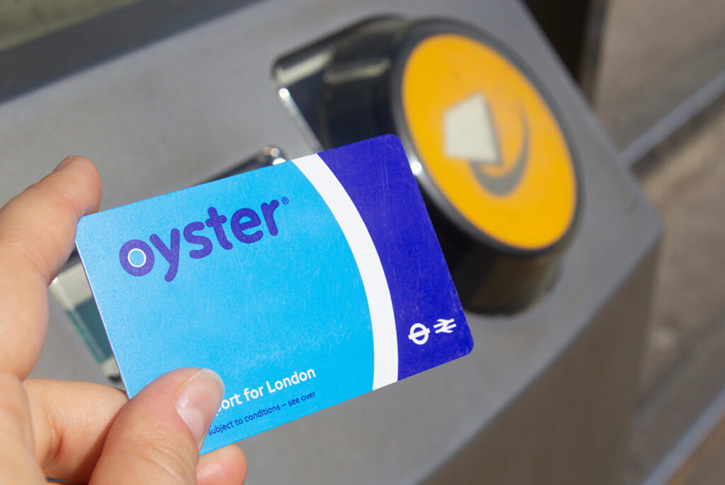
The Oyster card is a smartcard that you can load with credit to pay for travel on the London Underground (Tube), buses, trams, the Docklands Light Railway (DLR), London Overground, and some National Rail services. It’s one of the most convenient and cost-effective ways to travel around the city. - Travelcard
A Travelcard offers unlimited travel for a certain number of days within specific zones in London. It’s a good option for visitors who plan to stay in London for a few days and will be using public transport extensively. - Contactless Payment
If you don’t want to carry an Oyster card, you can also use your contactless payment card (such as a credit or debit card) to travel on public transport. It works in the same way as an Oyster card, and the fares are capped each day, which means you won’t pay more than the cost of a Travelcard. - Visitor Oyster Card
If you’re a tourist, the Visitor Oyster card is a special version of the regular Oyster card. It comes preloaded with credit and offers some additional discounts on attractions, restaurants, and shops across the city.
Now that we’ve covered the types of cards, let’s dive into some of my personal tips and tricks for using them effectively!

1. Get Your Oyster Card or Travelcard Early
One of the first things I always recommend to first-time visitors is to get an Oyster card or Travelcard as soon as possible after arriving in London. You can buy an Oyster card at the airport (both Heathrow and Gatwick have stations where you can purchase them), at any Underground station, or online before your trip.
When I first arrived in London, I found it super convenient to have the Oyster card ready for use, especially when I arrived in the city after a long flight. Having it in hand meant I didn’t have to queue up at the ticket counters or waste time figuring out how to buy tickets.
If you’re staying in London for just a few days, consider purchasing a Visitor Oyster Card online ahead of time. This option is especially helpful because you get it delivered to your home or hotel before your trip, saving you valuable time when you arrive.
2. Use Contactless Payment for Convenience
If you’re not sure about getting an Oyster card, you can always use your contactless debit or credit card to pay for travel. I’ve personally used my contactless card many times, and I have to say it’s incredibly convenient. There’s no need to worry about topping up an Oyster card or buying a Travelcard in advance—just tap in and tap out at the gates.
It’s also worth mentioning that contactless payment works in the same way as the Oyster card and is equally as cost-effective. The daily fares are capped, meaning once you hit a certain amount, you won’t be charged any extra for the rest of the day.
Tip: Make sure you’re using the same contactless card every time you travel. Mixing up cards can cause issues with the fare calculations.
3. Be Aware of the Zones
London’s public transport system is divided into travel zones, with Zone 1 being the city center (where most tourists will spend their time) and Zone 6 being farther out. The cost of travel depends on how many zones you travel through. I remember the first time I didn’t realize the zones had such an impact on fares, and I ended up spending more money than I needed to on travel.
For example, if you’re traveling from Zone 1 to Zone 2, the fare is cheaper than traveling from Zone 1 to Zone 5. Always check your route and plan accordingly to avoid unnecessary costs.
Tip: Use apps like Google Maps or the official TfL Go app to help you plan the best routes within the correct zones.
4. Don’t Forget the Daily Caps
A feature that I absolutely love about both Oyster and contactless payment is the daily cap. This means you won’t spend more than a certain amount per day on travel. When I first discovered this, I was ecstatic! For example, in Zone 1, the cap for an adult is around £7–£8 per day, meaning once you’ve hit this amount, all further travel that day is free.
So, whether you’re taking the Tube, buses, or the DLR, after reaching the cap, you don’t need to worry about being charged for any more trips that day.
Tip: If you’re using an Oyster card or contactless payment, always check your balance regularly using the TfL website or the TfL Oyster & Contactless app. That way, you can track how much you’ve spent and know when you’ve reached the daily cap.
5. Take Advantage of the Oyster Card’s Discounts
One of the reasons I love the Visitor Oyster Card is that it offers exclusive discounts at various attractions, restaurants, and shops throughout the city. After purchasing the card, I received a handy guide with all the discounts listed. From half-price entry to museums to discounts on shopping, I’ve saved a lot of money just by using the Visitor Oyster card.
If you’re planning on visiting popular attractions like the London Eye, The Shard, or the Tower of London, you’ll often find that the discounts offered are well worth the small additional cost of the card.
6. Use Buses for a Scenic and Affordable Journey
If you want to save a bit of money and see more of the city, I highly recommend using London’s famous red buses. They are much cheaper than the Tube, and you get to experience the city in a more relaxed way. I’ve spent hours hopping on and off buses, taking in the sights, and enjoying a more leisurely pace of travel.
The best part is that a single bus ride costs just £1.65, and you can make unlimited connections for the same price within an hour. For tourists on a budget, this is an excellent way to explore the city while keeping transport costs down.
Tip: Use the TfL Bus & Tram Pass if you plan to do a lot of bus travel. It offers great value for unlimited bus travel within a set period.
7. Know the Peak and Off-Peak Travel Hours
Another tip that I learned the hard way is that London’s Tube system gets incredibly crowded during peak hours. These are usually between 7:30–9:30 AM and 4:30–6:30 PM. If you’re visiting London for the first time, it’s best to avoid the rush hour when you can. I’ve often found that traveling outside of peak times makes the whole experience much more enjoyable, not to mention more comfortable.
Off-peak fares are also cheaper. So, if you have the flexibility, try to schedule your travel outside of peak hours to save money and avoid the stress of crowded trains.
8. Plan Your Routes Ahead of Time
While London’s public transport system is extensive and easy to navigate, it can also be a bit overwhelming for first-time visitors. I found that planning my routes ahead of time using Google Maps or the TfL Journey Planner helped me avoid unnecessary confusion. These tools show you exactly how to get from point A to point B, whether you’re traveling by Tube, bus, or DLR.
For a more personalized experience, I also recommend downloading the TfL Go app, which provides real-time updates on transport services and gives you estimated travel times.
9. Top-Up Your Oyster Card Online
One thing I discovered early on is that you can easily top up your Oyster card online. This is extremely helpful if you’re staying in London for a longer period and don’t want to waste time at the station. I top up my card before each trip using the TfL website, which is quick and convenient.
Tip: Always check the TfL website for the latest updates on fares and routes. It’s the best place to stay informed and avoid any surprises.

10. Don’t Forget About the London Travelcard Options
While the Oyster card and contactless payment options are fantastic, if you’re staying for a few days and plan to do a lot of sightseeing, a Travelcard might be the best option for you. Travelcards offer unlimited travel within specific zones and can be used on the Tube, buses, and trains. They’re available in both paper and digital formats.
If you’re planning to visit multiple attractions, consider getting a 7-day Travelcard for unlimited travel. I personally
found it very convenient, and the flexibility to travel as much as I wanted made the cost feel like great value.
Where to Book Your London Travel Arrangements
If you’re planning your trip to London, there are several great platforms where you can book not only your transport but also your accommodation, dining, and attractions:
- Booking.com: For booking hotels, apartments, or hostels in London, I always turn to Booking.com. It’s reliable, and you can filter your choices based on location, price, and amenities.
- GetYourGuide: If you’re looking to pre-book tickets for popular London attractions like the London Eye or The Tower of London, GetYourGuide is my go-to. It’s a great way to skip the lines and enjoy discounted prices.
- Skyscanner: For flights, Skyscanner is a fantastic platform to compare prices from different airlines and book your flights to London at the best prices.
- OpenTable: For reserving restaurants in London, I always check out OpenTable. It’s easy to use and ensures you get a table at some of the best eateries in the city.
Traveling around London doesn’t have to be a challenge. With the right knowledge of transport options and a bit of planning, you’ll be able to navigate the city like a pro and make the most out of your trip. Safe travels, and enjoy everything this incredible city has to offer!
London is one of the most visited cities in the world, with its historical landmarks, vibrant culture, and endless things to do. I can’t stress enough how important it is to have a solid understanding of London’s transportation system, especially when you’re a first-time tourist. The good news is that the city offers a variety…